Foundations That No Longer Harbor Crawlers
Centipede & Millipede Control in Bethany for properties experiencing seasonal migrations after heavy rain
Affordable Termite & Pest Control keeps unwanted crawling pests out of your home with customized perimeter protection that stops centipedes and millipedes before they cross thresholds and appear in basements. Heavy spring rains in Bethany saturate mulch beds and soil around foundations, forcing these moisture-dependent pests to migrate toward dry shelter inside homes through door sweeps, expansion joints, and basement window wells. When exterior populations are intercepted with barrier treatment and harborage sites are addressed, you stop finding coiled millipedes on basement floors and fast-moving centipedes in bathtubs.
Treatment creates a protective zone along foundation perimeters and treats the leaf litter, mulch layers, and landscaping stones where these pests congregate during the day before moving indoors at night. Both centipedes and millipedes require high moisture to survive, so homes with dense ground cover, poor drainage, and organic debris against foundations see the highest activity during Oklahoma's rainy season from April through June.
Request a property assessment to identify drainage issues and organic debris accumulations contributing to seasonal pest pressure.
What Proper Perimeter Treatment Requires
Application targets the zone within three feet of your foundation where centipedes and millipedes shelter under mulch, stones, and leaf piles before attempting indoor entry. Treatment also addresses basement window wells, crawl space vents, and door thresholds where these pests cross from exterior harborage into living spaces, creating multiple barriers that intercept migrations triggered by rainfall or drought.
You notice fewer live centipedes and millipedes indoors within days as treated insects die off and surviving populations remain in outdoor landscaping rather than crossing treated foundation zones. Basements stay clear when exterior moisture sources are managed and the organic debris that supports large populations is removed from areas adjacent to the structure.
Treatment effectiveness depends on exterior moisture management—redirecting downspouts, reducing mulch depth to less than two inches near foundations, and removing leaf litter from window wells all reduce the conditions that allow populations to build up against your home. The service controls pests attempting to enter your home but does not eliminate natural outdoor populations in gardens and lawn edges where these decomposers serve beneficial ecological functions.
Answers to Frequent Service Questions
Homeowners typically ask about the difference between centipedes and millipedes, why populations surge after rain, and how to prevent future invasions beyond chemical treatment.
What is the difference between centipedes and millipedes?
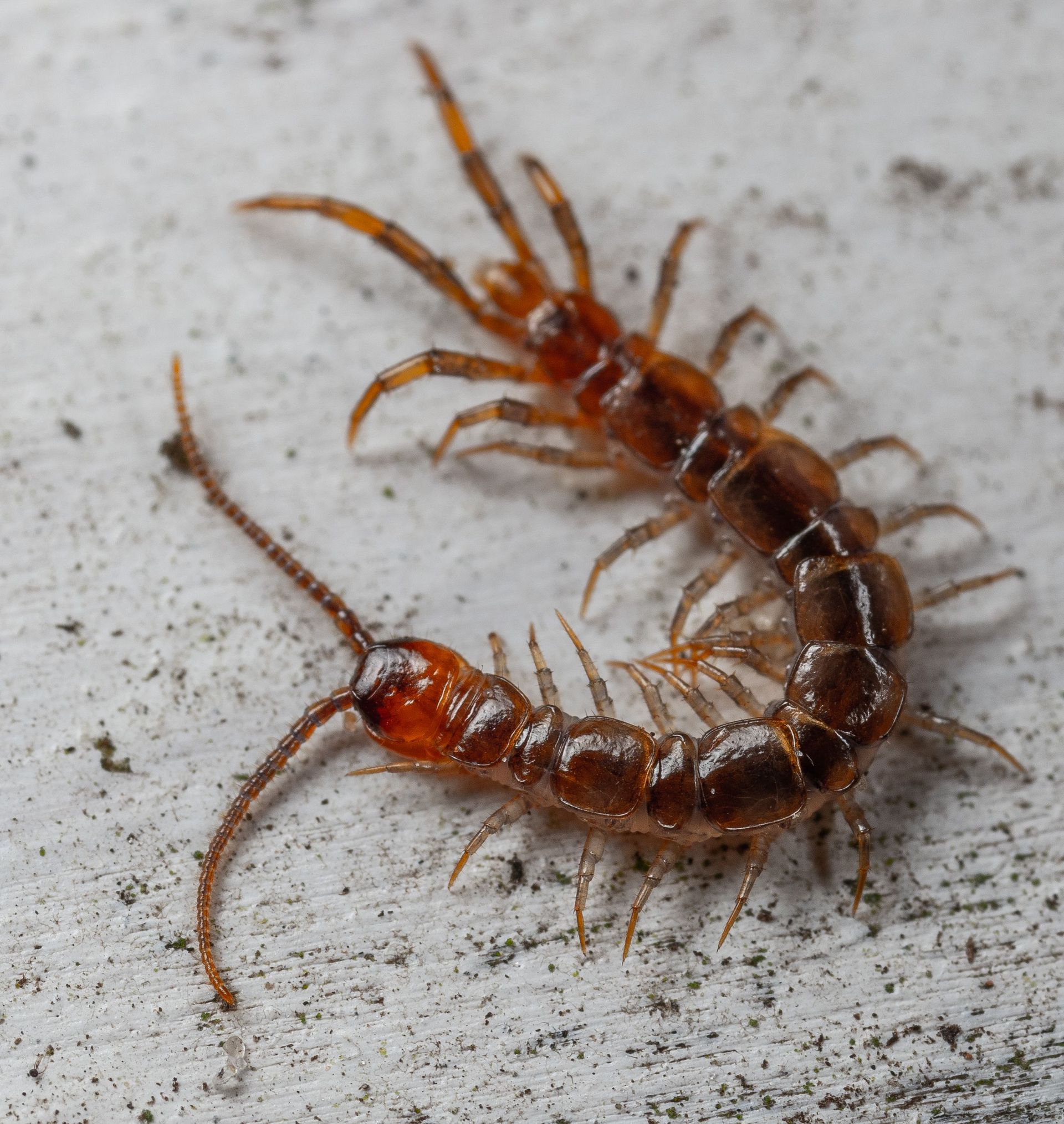
Centipedes have one pair of legs per body segment, move quickly, and hunt other insects, while millipedes have two pairs of legs per segment, move slowly, and feed on decaying plant matter, though both require high moisture and invade homes seeking shelter during environmental extremes.
Why do I see more of these pests after it rains in Bethany?
Heavy rain saturates the soil and mulch where centipedes and millipedes live, forcing them to surface and migrate toward dry areas, which often means moving up foundation walls and through gaps into basements and ground-level rooms.
How is perimeter treatment applied?
Liquid treatment is applied along foundation edges, under mulch layers, around basement window wells, and beneath siding lips where pests congregate before entering, creating a barrier that kills insects crossing from exterior harborage zones toward entry points.
When should I schedule treatment for best results?
Applying perimeter protection in early spring before the rainy season begins provides the most effective prevention, though treatment can be applied reactively after indoor invasions start to eliminate active populations and prevent continued migration.
What exterior changes reduce future problems?
Reducing mulch to a thin layer within two feet of foundations, clearing leaf piles from window wells, improving drainage around the structure, and sealing visible gaps around basement windows all reduce conditions that draw centipedes and millipedes to your home.
Affordable Termite & Pest Control addresses both the pest populations and the structural conditions that allow entry. Arrange a consultation to evaluate your foundation perimeter and develop a customized prevention plan.