Walls That Stay Clear During Fall
Stink Bug Control in Bethany for homes near agricultural fields and wooded areas facing seasonal invasions
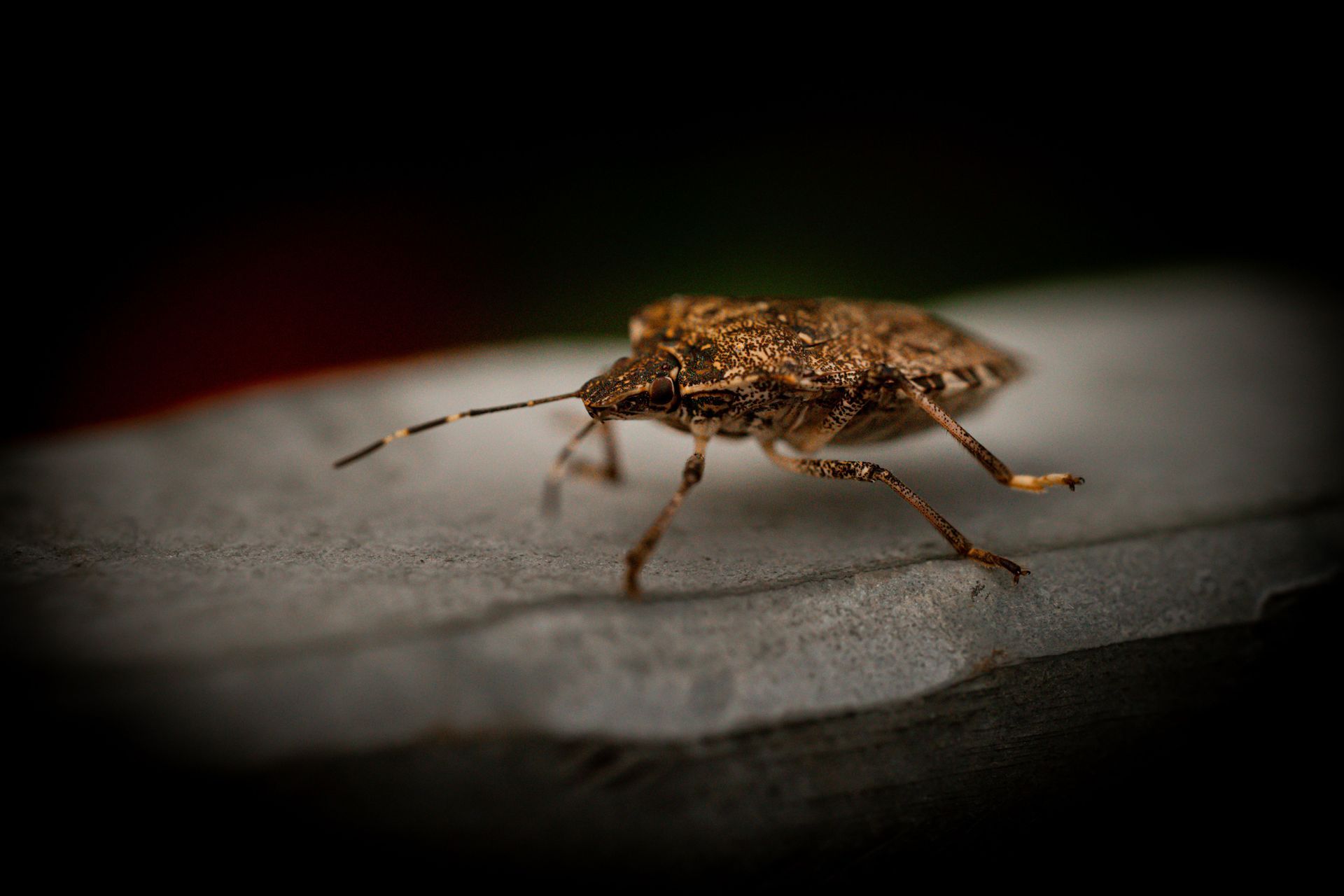
Oklahoma's cooling September temperatures trigger stink bugs to leave crop fields and wooded edges, seeking protected overwintering sites inside wall voids and attics. Affordable Termite & Pest Control prevents seasonal stink bug invasions before they enter your home during cooler months by treating exterior walls, soffits, and roof edges where these pests cluster before squeezing through siding gaps and attic vents. Bethany properties located near agricultural areas or tree lines experience the heaviest pressure as adult stink bugs migrate in groups of hundreds, congregating on south-facing walls that retain afternoon heat before moving indoors through microscopic gaps.
Prevention focuses on applying exterior barrier treatment in late summer before migration begins, targeting the siding seams, window frames, and roof transitions where stink bugs land and explore for entry points. Once inside wall voids, stink bugs remain dormant through winter and emerge into living spaces during warm spells, making exclusion before entry far more effective than managing indoor populations after walls are colonized.
Schedule preventive treatment in August or early September before afternoon temperatures consistently drop below seventy degrees and migration activity begins.
Why Timing Determines Treatment Success
Stink bugs aggregate on building exteriors for several days before entering, giving treatment time to create a barrier that kills insects on contact as they land on walls and explore cracks. Application covers siding, fascia boards, window trim, and attic vent screens where stink bugs concentrate, using formulations that remain effective through the six-week migration window from mid-September through October.
When treatment is applied before migration starts, you avoid the indoor odor and staining problems that occur when stink bugs die inside wall voids or are accidentally crushed while attempting to emerge into heated rooms. South-facing walls and attic spaces stay clear of overwintering populations when exterior surfaces are treated and common entry gaps around windows and roof edges are sealed before cooling nights trigger the urge to find shelter.
The service does not address stink bugs already inside wall voids from previous seasons, which may emerge during winter warm spells regardless of current treatment. Success depends on timing—applying protection during the narrow window between late summer heat and the onset of fall migration produces the cleanest results with minimal indoor breakthrough.
Questions Before Starting Your Project
Property owners ask about migration patterns, why some homes are targeted more than others, and what to do if stink bugs are already appearing indoors when they call.
What triggers stink bug migration in Bethany?
Cooling nighttime temperatures below sixty degrees combined with shortening day length signal adult stink bugs to leave feeding sites and seek sheltered overwintering locations, with peak movement occurring during the warm afternoons of mid-September through early October.
Why do stink bugs cluster on certain walls?
South and west-facing walls retain afternoon heat longer, attracting stink bugs seeking warmth before they enter structures, and homes near crop fields or wooded areas see heavier clustering because those are the habitats stink bugs occupy during summer before migrating to overwintering sites.
How does exterior treatment work?
Barrier application on siding, window trim, and roof edges kills stink bugs as they land and explore for entry points, preventing them from squeezing through gaps into wall voids and attics where they overwinter and later emerge into living spaces.
What happens if I already see stink bugs indoors?
Indoor stink bugs are either recent arrivals that breached untreated gaps or previous-season overwintering insects emerging from wall voids, and while treatment can prevent new entries, it does not eliminate insects already sheltered inside structural cavities.
How do I seal entry points?
Stink bugs enter through gaps as small as one-eighth inch around window frames, siding seams, attic vents, and roof transitions, so sealing requires caulking visible cracks, adding weatherstripping to attic access doors, and installing vent screens with fine mesh that blocks insect entry.
Affordable Termite & Pest Control applies preventive treatment timed to intercept migration before walls are colonized. Contact us in late summer to schedule protection ahead of seasonal stink bug movement in your area.